

Source note: The Quran provides the most important interpretation of the crisis after Uhud. Later biographies add tactical detail. However, readers need to distinguish that material from the Quran and authenticated reports.
A community in shock
Uhud left many Muslims dead or wounded, including Hamza ibn Abd al-Muttalib. Rumours during the battle had suggested that the Prophet Muhammad had died. The survivors returned to Madinah facing grief, criticism and concern that the Quraysh force might turn back.
The Quran’s response to defeat
Quran 3:139–143 tells believers not to collapse into despair and reminds them that changing fortunes affect communities over time. Quran 3:152 connects the reversal at Uhud with loss of courage, disagreement and disobedience after an initial advantage.
The passage does not hide mistakes or assign blame to one unnamed group. It combines accountability with mercy. Quran 3:159 instructs the Prophet to pardon, seek forgiveness for the believers and continue consulting them.
Following the departing army
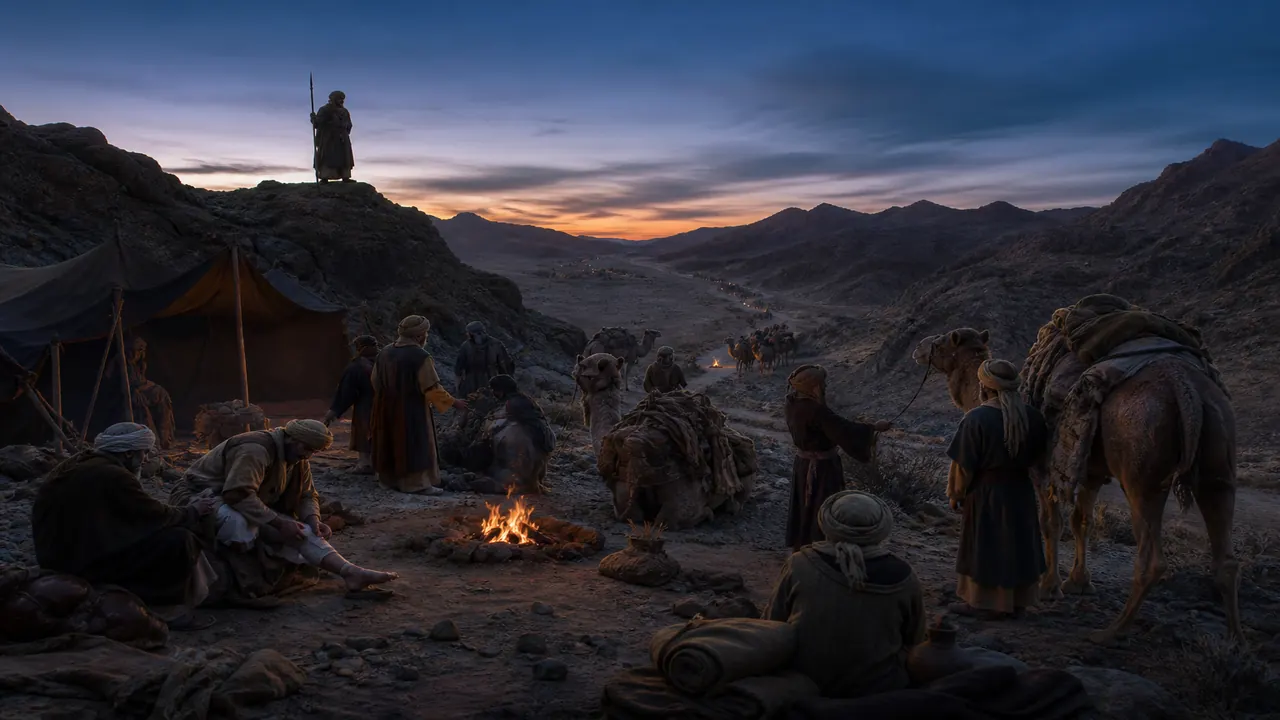
Despite their wounds, a group responded when the Prophet called them to follow the departing Quraysh. Quran 3:172 praises those who answered after injury. Sahih al-Bukhari 4077 identifies Abu Bakr and al-Zubayr among seventy men selected for the pursuit.
Later commentary associates the movement with Hamra al-Asad, south of Madinah. No second major battle occurred. The action demonstrated readiness and reduced the immediate fear of a renewed attack.
Recovery without triumphalism
- Acknowledge grief and injury rather than hiding them.
- Name mistakes without abandoning the community.
- Continue consultation after failure.
- Readiness did not lead to another large battle.
The aftermath of Uhud is a story of recovery, not a claim that suffering did not matter. Its enduring lesson is that accountability, mercy and practical action can exist together after collective failure.
