

Source note: This article uses authenticated reports for particular events and avoids assigning one attitude to every Jewish, pagan or Muslim resident of Madinah.
Arrival and adjustment
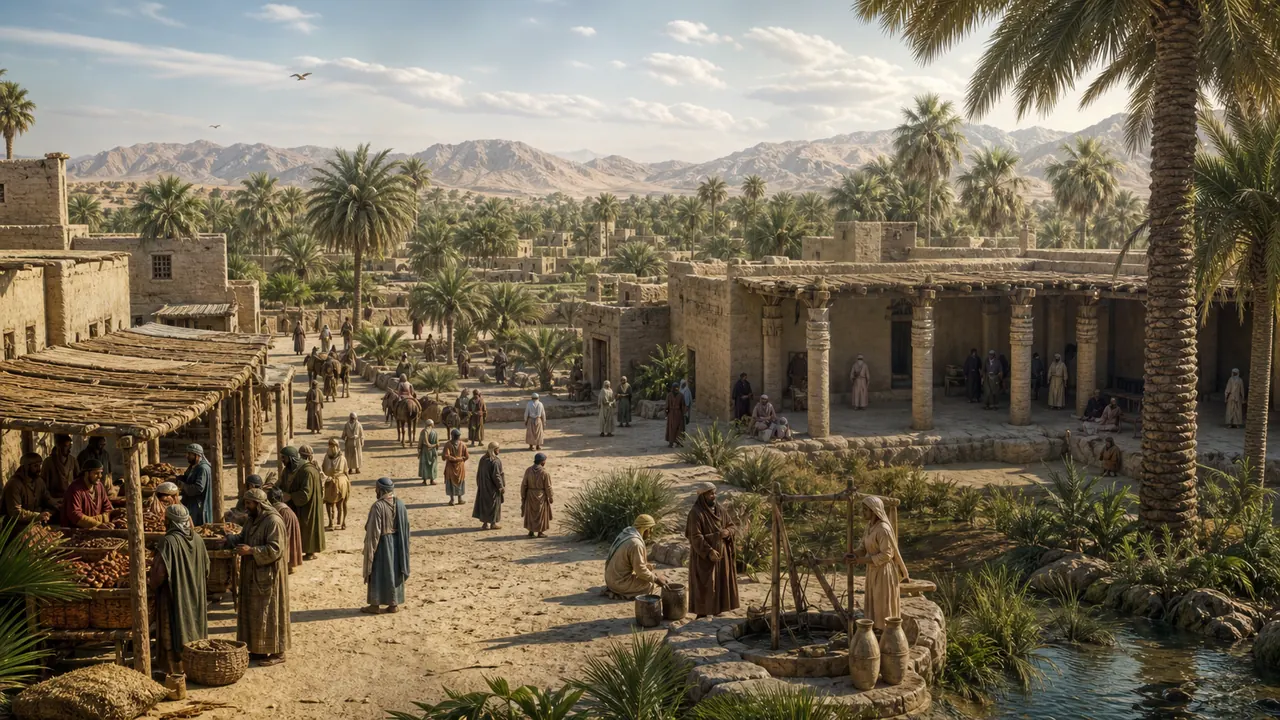
The Hijra created a new public community, but the first months in Madinah were not effortless. The emigrants had left homes and livelihoods in Makkah. They entered an oasis with different agriculture, climate and alliances while the mosque and new support networks were still being established.
Sahih al-Bukhari 3932 describes the Prophet’s initial stay among Banu ‘Amr ibn ‘Awf, his entry with members of Banu al-Najjar and the decision to build the mosque. The report grounds community formation in identifiable people and actions.
Fever and homesickness
Madinah’s environment affected some newcomers. Sahih al-Bukhari 3926 records Abu Bakr and Bilal suffering fever and longing for Makkah. The Prophet prayed that the believers would love Madinah and that the city would become healthy for them.
This report adds needed human detail. Migration involved gratitude and hope, but also illness, grief and attachment to a lost home. Love for Madinah developed through life there; it was not an emotion every migrant instantly possessed.
Muhajirun, Ansar and a diverse city
The Quran praises the Ansar for welcoming emigrants in Quran 59:9. Yet Madinah also included Jewish clans, polytheist families and people with changing political loyalties. It is inaccurate and derogatory to describe every member of any community as jealous or secretly hostile.
A birth remembered by the community
The first child born among the emigrants in Madinah was Abdullah ibn al-Zubayr, not al-Zubayr himself. Sahih al-Bukhari 3910 says he was brought to the Prophet, who blessed him. Correcting this name matters because small factual errors undermine trust in the wider series.
What the early period established
- A shared mosque and regular communal worship.
- Practical support for displaced emigrants.
- New relationships among groups already living in the oasis.
- Gradual adaptation to a different environment and economy.
The early Medinan years were a period of institution-building and adjustment. Their significance becomes clearer when the story includes ordinary vulnerability as well as major political change.
