

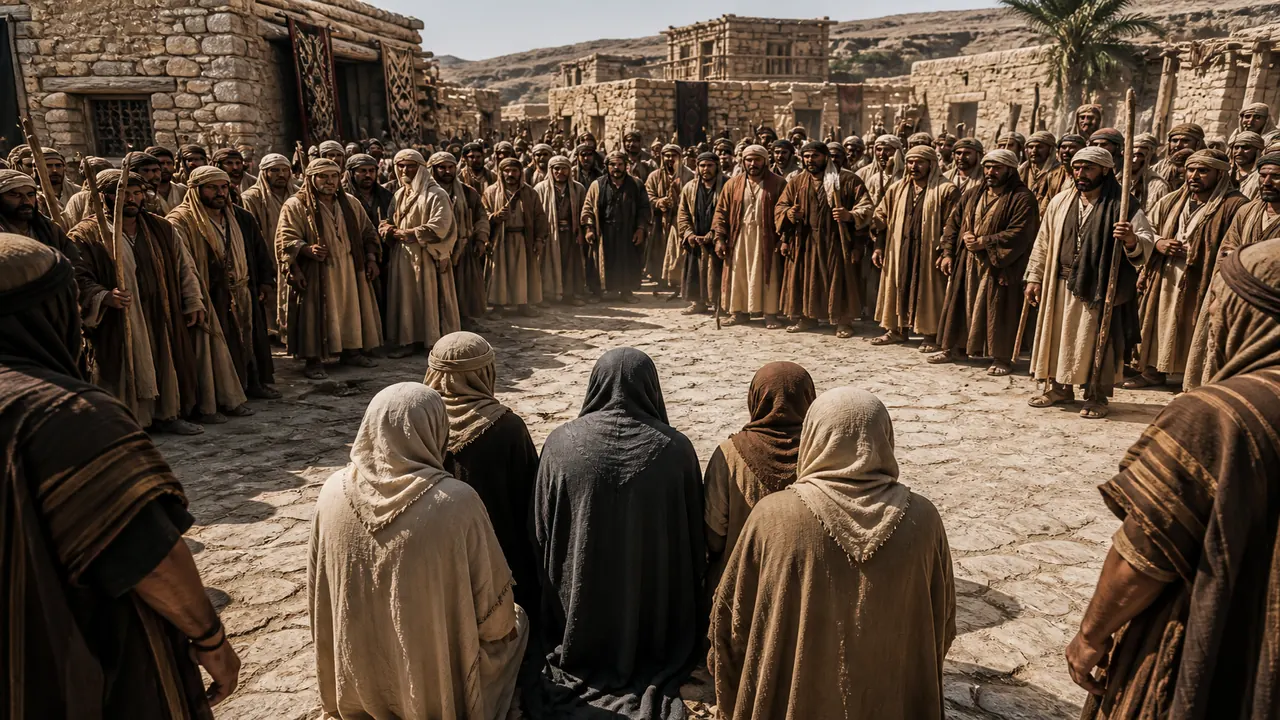
Source note: Persecution in Makkah is well established, but the details of individual torture stories vary in strength. This article distinguishes Quranic teaching and authenticated hadith from later biographical reports.
Pressure on a vulnerable minority
Early Muslims lacked political protection as a community. Converts with weak clan support, enslaved people and clients were especially exposed to intimidation and violence. Powerful families could also pressure relatives through isolation, threats or loss of protection.
The Quran recognises the reality of coercion in Quran 16:106, making an exception for a believer forced to speak while the heart remains secure in faith. The verse is important because it does not demand that victims seek suffering or pretend coercion has no effect.
Khabbab’s complaint
Sahih al-Bukhari 3852 records Khabbab ibn al-Aratt approaching the Prophet near the Ka’bah while believers were suffering. He asked for prayer and help. The Prophet recalled earlier believers who endured severe persecution and expressed confidence that security would eventually come.
The report should not be used to dismiss a victim’s pain. It shows both the seriousness of the suffering and the limited political power available to the early community at that moment. Endurance was a response to vulnerability, not approval of abuse.
Individuals remembered in later biography
Later sira works preserve accounts involving Bilal ibn Rabah, ‘Ammar ibn Yasir and his parents, Sumayyah and Yasir, among others. These traditions are central to Muslim memory, but responsible writing should cite the particular work and avoid adding dialogue or physical details that cannot be traced.
What this period teaches
- Religious conviction did not erase fear, pain or social inequality.
- Coercion is explicitly recognised in the Quran.
- People with less clan protection faced greater danger.
- Patience should never be turned into an excuse for persecutors.
The persecution of the first Muslims matters because it reveals the cost of belief in an unequal society. It should be described with dignity and precision—not with insults toward modern groups, competitive claims about suffering or unsourced sensationalism.
