

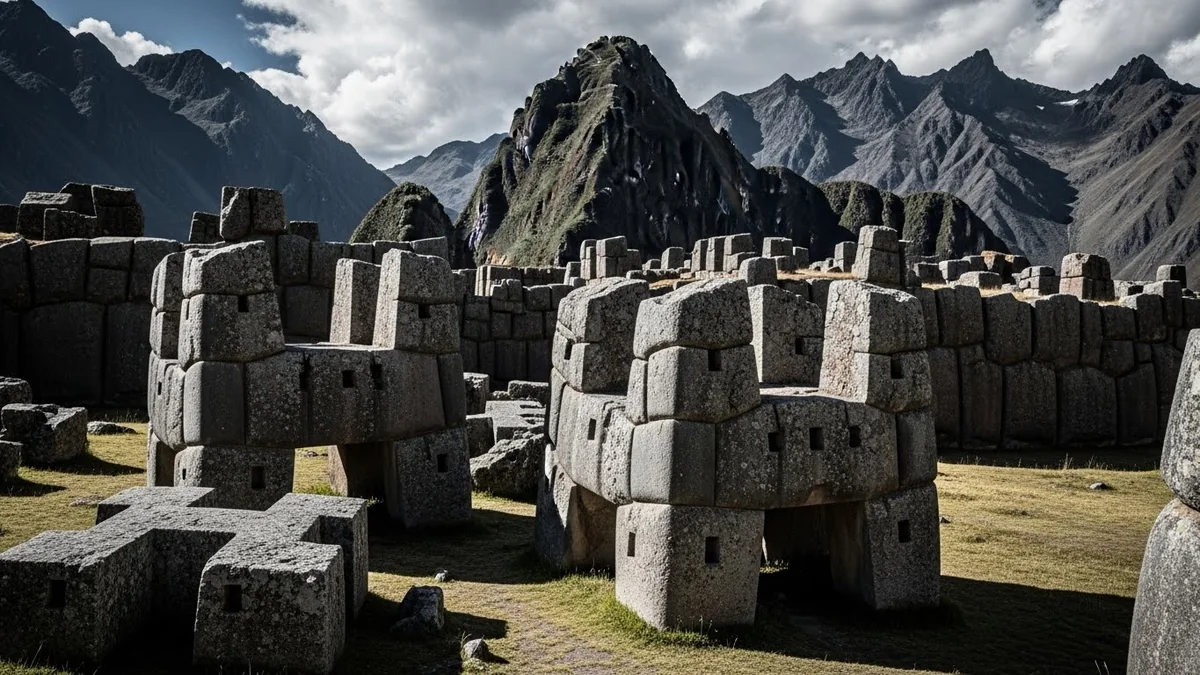
Editorial note: This revised history article distinguishes archaeological evidence, scholarly interpretation and traditional narrative. Dates and explanations are attributed where evidence is incomplete or debated.
The Inca Empire: engineering a state across the Andes
The Inca state, known as Tawantinsuyu, expanded across much of the Andes during the fifteenth and early sixteenth centuries. Its achievements grew from earlier Andean knowledge as well as centralized labor, administration and political power.
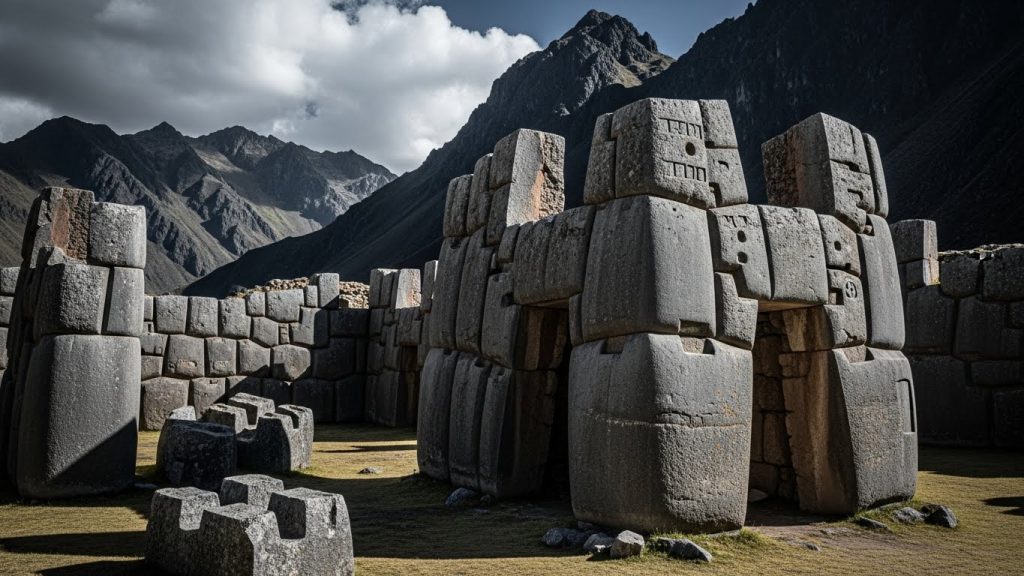
Roads, terraces and water
A vast road network connected highlands, deserts and valleys. Suspension bridges, way stations and relay runners helped move people, goods and information. The system adapted older routes and depended on organized community labor.
Terraces reduced erosion and created cultivable surfaces on steep slopes. Canals, springs and drainage systems managed water in difficult environments. These were engineering responses to local geography, not evidence of lost anti-gravity technology.
Administration and communication
The empire governed diverse peoples through provincial centers, labor obligations and alliances. Quipu—knotted cord records—supported accounting and administration, although scholars continue to investigate how much linguistic information they encoded.
Inca rulers also relocated communities and used ritual, architecture and ancestor veneration to support authority. Imperial integration brought infrastructure but could also involve coercion.
Machu Picchu in context
Machu Picchu was built in the fifteenth century at the meeting zone of the Andes and Amazon basin. Its masonry, terraces and drainage show careful planning, yet it was one site within a much larger imperial landscape.
The site became widely known outside Peru in 1911, but local people already knew it. Descriptions that call it “discovered” should acknowledge that distinction.
What remains debated
The precise functions of Machu Picchu and the full reading system of quipu remain debated. Archaeologists weigh architecture, artifacts, environmental evidence and colonial documents rather than relying on a single mystery explanation.
Conclusion
Inca achievements are impressive because of human knowledge, labor and adaptation. Recognizing earlier Andean contributions and living descendant communities produces a more accurate history.
Administration without an alphabetic bureaucracy
The Inca governed a large and environmentally varied territory without the alphabetic record system familiar to Europeans. Officials used quipu—arrangements of knotted cords—to record numerical and administrative information. Scholars continue to investigate whether some quipu also encoded names or narrative information. The surviving objects should not be described as fully deciphered books, but they clearly formed part of a sophisticated system of accounting and communication.
Imperial power also depended on negotiated relationships. Local communities supplied labour through the mit’a system, while the state redistributed goods, supported infrastructure and relocated some populations. These policies could integrate territory but could also create resentment. The empire was powerful, not politically uniform.
Why the empire fell rapidly
Spanish invaders arrived during a succession conflict between Atahualpa and Huáscar and after epidemics had already destabilised the Andes. Francisco Pizarro exploited this division, captured Atahualpa and worked with Indigenous allies. Inca resistance continued for decades after the capture of Cusco, so 1532 or 1533 should be understood as a turning point rather than the instant disappearance of Inca political life or Andean culture.
