
The Quran tells the stories of Maryam, Zakariya, Yahya and Isa through acts of devotion, unexpected provision and births that challenge ordinary expectations. These are not merely preliminary details before the life of Jesus. They establish the character of the people involved and the dependence on God that shapes the account.
Their setting also invites historical questions about Jerusalem, the Second Temple and Roman power. A clear reading keeps those questions separate from the Quran’s religious message, and distinguishes both from later stories about relics, rulers and sacred places.
Maryam’s dedication and Zakariya’s guardianship
In Surah Ali Imran 3:35–37, the wife of Imran dedicates her child to God’s service. The child is Maryam. God accepts her, grants her a good upbringing and places her under Zakariya’s care. Whenever he visits her place of worship, he finds provision and asks where it came from. Her answer attributes it to God.
The Quran gives Maryam an active place in this account: she is a person of faith and devotion, not simply a name in someone else’s genealogy. Her story also becomes the occasion for Zakariya’s own prayer.
Later commentaries add descriptions of the provision and the arrangements surrounding her upbringing. These may help explain how a tradition has been understood, but details not stated in the verse should not be presented as though the Quran lists them.
Zakariya’s prayer and the announcement of Yahya
Zakariya asks for a good descendant despite his old age and his wife’s inability to have children. The beginning of Surah Maryam presents the prayer quietly and personally: he speaks of weakness, age and his continuing hope in God.
The announcement names the child Yahya. The passage then describes qualities that matter more than a royal pedigree: understanding, compassion, purity, reverence and kindness to his parents. He is not portrayed as arrogant or rebellious.
That combination gives the story its practical force. Religious knowledge is connected with character. Devotion is not measured only by what someone says, but also by the care and restraint shown in ordinary relationships.
The precise age of Zakariya and a detailed calendar for the births are not supplied here. Figures from other traditions should not be inserted into the Quranic account without explanation.
Maryam and the birth of Isa
Quran 19:16–36 turns to Maryam’s withdrawal from her people, the appearance of a messenger and the announcement of a son. She expresses concern because no man has touched her. The account presents the birth as a sign of God’s power, not as a normal event disguised through a speculative biological theory.
The chapter describes her distress, the reassurance she receives and her return to her people. Isa speaks as an infant, identifying himself as God’s servant and describing the duties and blessings associated with his mission. The passage foregrounds worship, charity and goodness to his mother.
The Quran honours Maryam while preserving a distinct Islamic understanding of Isa. Christian readers will recognise shared figures, but the theological claims of the two traditions are not identical. Explaining the difference accurately is more useful than flattening them into one account or treating disagreement as hostility.
Jerusalem under different kinds of authority
The Second Temple was central to Jewish religious life. By the period associated with Yahya and Isa, Jerusalem belonged to a world shaped by Roman imperial rule, local rulers and priestly institutions. Those were overlapping authorities, not one interchangeable government.
Herod the Great and Herod Antipas should therefore not be called Roman emperors. They were different members of a ruling family operating within Rome’s political sphere. Likewise, a temple precinct, a royal building and a modern religious monument cannot simply be treated as the same structure.
This matters when reading stories about conflict. Identifying a ruler or an institution is more accurate than assigning a single motive to every member of a community. Yahya, Isa and their earliest followers belonged to the same broad Jewish historical setting as many of the people with whom they disagreed.
Our Surah Al-Kahf themes guide discusses the broader need to distinguish a text’s ethical message from later attempts to fill every historical gap.
Yahya, Herod and the evidence for his death
Yahya is usually identified with John the Baptist. Two important sources for the story of John’s death are the Gospel of Mark and the Jewish historian Josephus, but they do not tell it in precisely the same way.
Mark 6:17–29 links John’s imprisonment with his objection to Herod’s marriage and narrates a banquet, a request and his execution. The account should be identified as a Gospel narrative, not quoted as a passage from the Quran.
In Antiquities 18.5.2, Josephus describes John as a teacher of virtue and presents Herod’s fear of his public influence as a reason for putting him to death. It is misleading to say Josephus independently supplies every detail of the banquet story.
Stories identifying Yahya’s head at particular shrines belong to later religious history. A shrine may have deep significance for worshippers without providing a securely documented chain of identification for ancient remains. These traditions do not need graphic retelling to explain their place in religious memory.
Isa’s signs are described as God’s permission
The Quran connects Isa with healing, a bird formed from clay, knowledge of provisions and the raising of the dead. Quran 3:49 and 5:110 repeatedly place these signs within God’s permission. In Islamic interpretation, they support his prophetic mission rather than independent divine power.
The account of a requested table of food appears in Quran 5:112–115. The disciples ask for reassurance, and Isa prays. Elaborate menus, colours and descriptions in later reports are not all stated in those verses.
This table narrative should not automatically be identified with the Christian Last Supper or Leonardo da Vinci’s painting. Similar imagery involving food and disciples does not make two differently transmitted accounts the same event.
What the Quran says about the end of Isa’s earthly mission
Quran 4:157–158 rejects the claim that Isa was killed and crucified by those boasting of it, and states that God raised him. The precise explanation of how the event appeared to observers has been discussed in Muslim interpretation. The verses do not identify a substitute by name.
Christian theology and mainstream historical discussion approach the crucifixion differently. An article explaining Islamic belief should make that perspective explicit, not imply that all traditions agree. It must also avoid collective blame against Jewish people, past or present: a theological narrative is not a basis for hostility towards a community.
The thread connecting these lives
Across these accounts, the recurring qualities are devotion, compassion, trust and the refusal to equate worldly power with moral authority. The stories are stronger when their sources remain visible and their limits are respected.
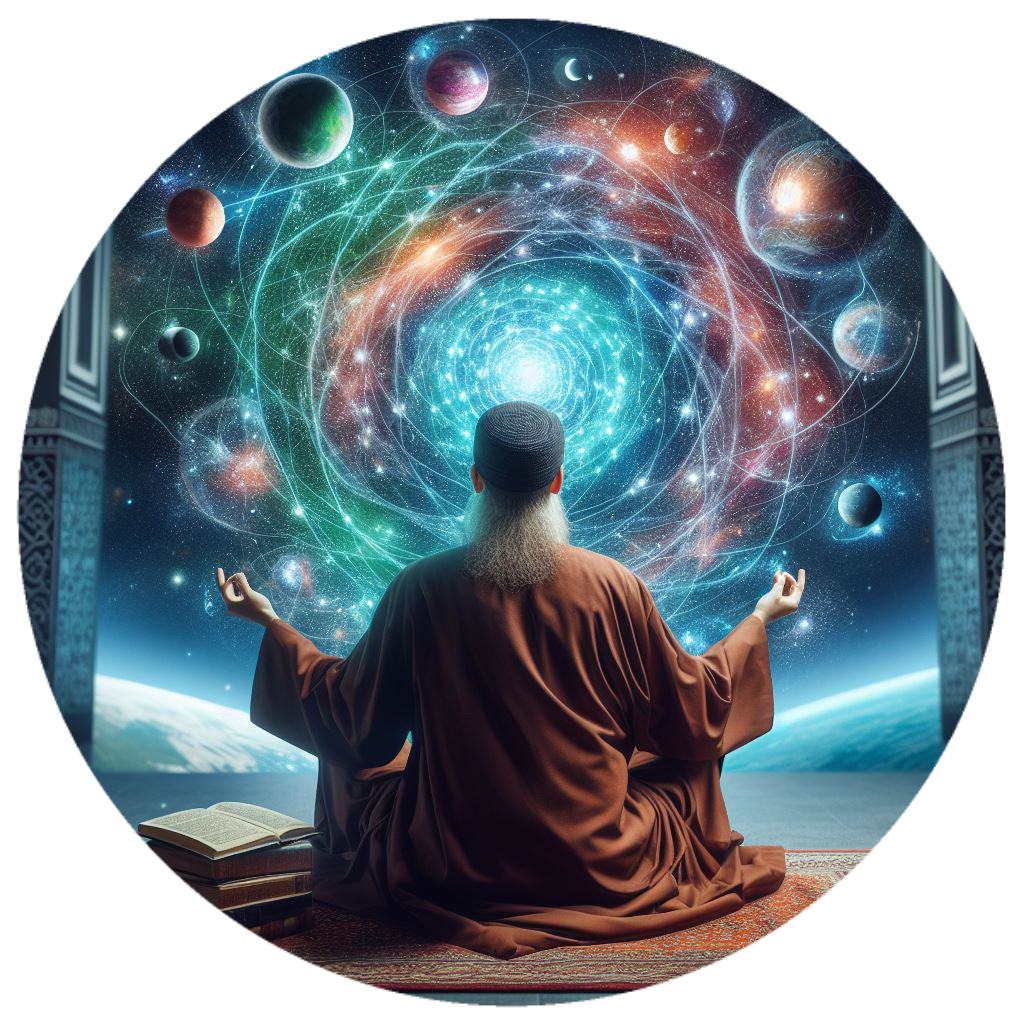
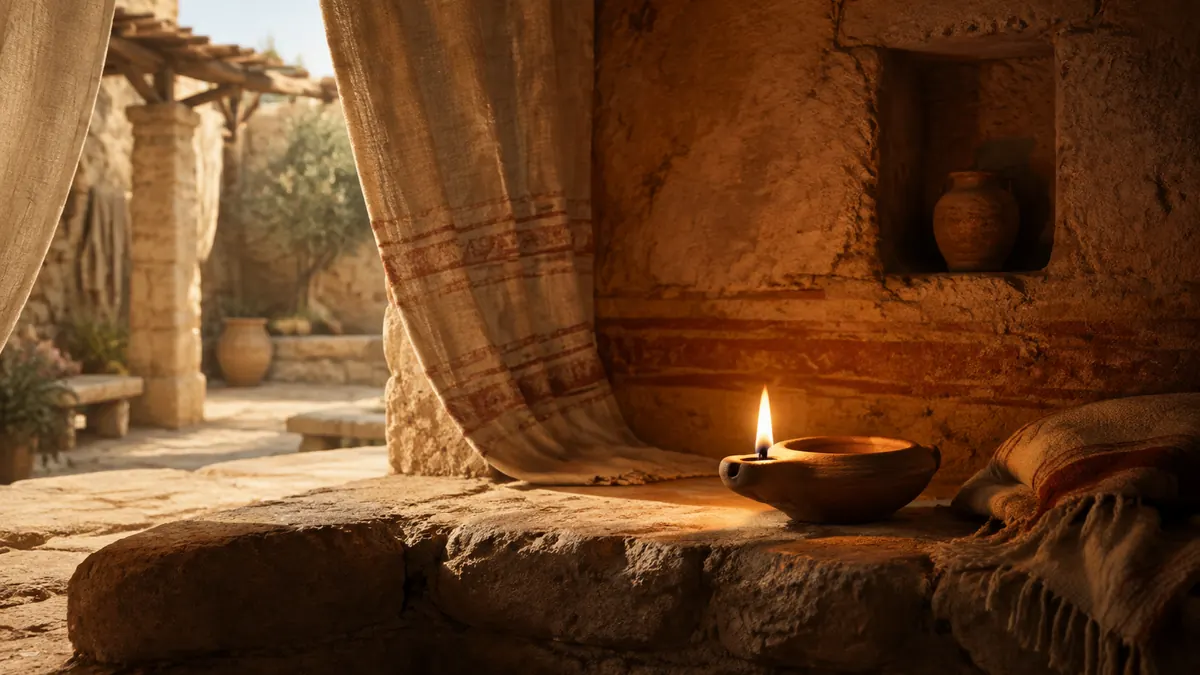
The next chapter focuses more closely on Isa’s mission and how miracle claims are interpreted. Return to the Series Reading Guide for the currently published sequence. All accompanying illustrations are symbolic artwork and do not depict the prophets or Maryam.
